
How Technology in Physiotherapy Is Improving Care Quality
Key Takeaways
- Technology in physiotherapy helps clinicians spend more time on hands-on care by reducing administrative burdens and streamlining workflows
- Digital assessment tools and wearable sensors provide objective data that support more precise diagnosis and tailored treatment plans
- Telerehabilitation delivers clinical outcomes comparable to in-person care, making physiotherapy more accessible for patients with mobility or location challenges
- Choosing the right physiotherapy software requires balancing clinical goals with ease of use, data security, integration capabilities, and patient-centred design
Physiotherapy practices across the United Kingdom face steady pressure. Patients expect convenient, joined-up care. Clinicians juggle full caseloads, complex conditions, and growing admin.
Technology in physiotherapy can ease some of this load. Digital tools help you assess patients more accurately, personalise treatment, and stay organised. They keep people engaged between sessions, freeing up more time for hands-on care.
What is technology in physiotherapy?
Physiotherapy technology refers to digital tools, devices, and software that help you assess movement, plan treatment, and guide rehabilitation. It includes clinical software, wearable sensors, virtual reality, robotic devices, and telehealth services.
From electronic notes to virtual exercise programmes, these tools work alongside your clinical judgement. They support more objective assessment, clearer planning, and better continuity of care, whether patients attend in person or complete rehabilitation at home.
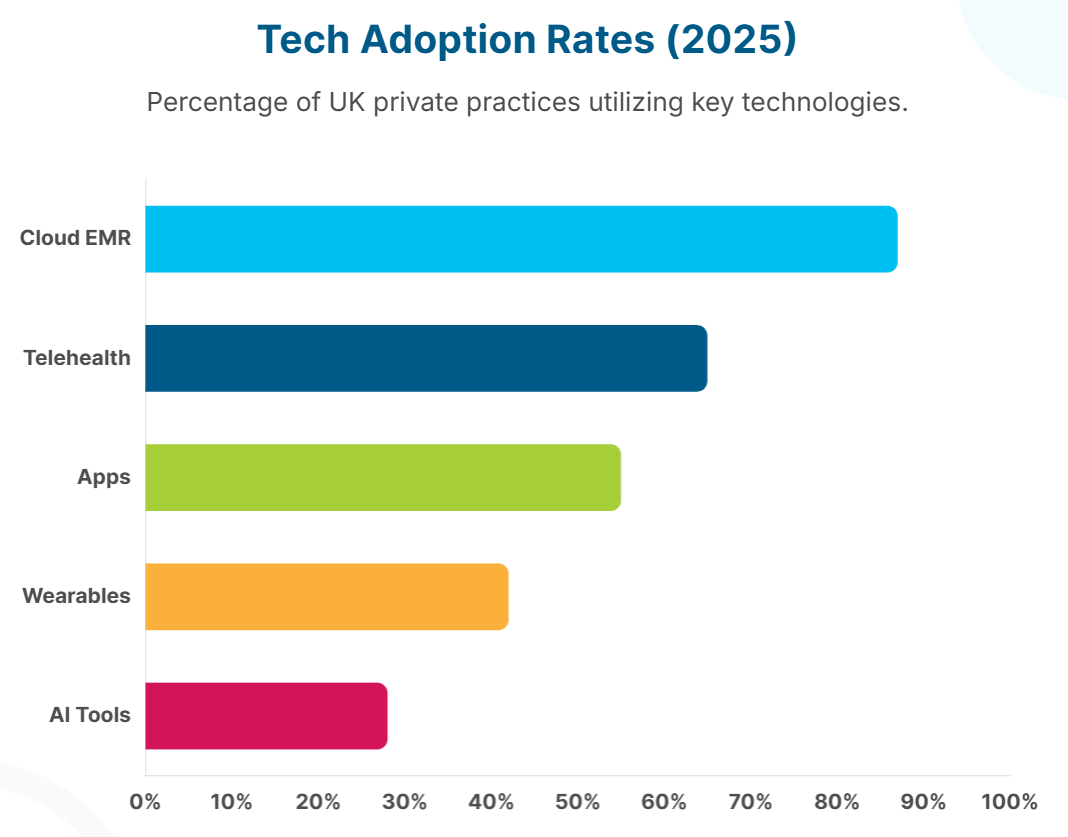
Why technology in physiotherapy matters in modern practice
In many clinics, physio technology has moved from optional to standard. It helps you deliver care that's more tailored, engaging, and accessible.
The Impact of Practice Management Software on Care Quality Metrics
Feature
Operational Mechanism
Direct Impact on Care Quality
Automated Scheduling
Reduces admin time & "no-shows"
Ensures continuity of care; patients adhere to treatment frequency, leading to faster recovery
Digital Pre-Assessment
"Smart Forms" sent pre-visit
Maximizes clinical face-to-face time; allows for immediate focus on treatment rather than admin
Integrated Billing
Automates invoicing & claims
Reduces patient stress; ensures practice financial viability to invest in better facilities
Secure Messaging
Encrypted patient portals
Enhances engagement; allows for clarification of advice between sessions, preventing regression
It makes it easier to base decisions on reliable information, adjust programmes as patients progress, and offer a mix of in-person and remote support. It cuts manual effort in managing a busy caseload, so you can spend more of your day with patients.
Sharper assessment and diagnosis
Accurate assessment underpins effective physiotherapy. Technology in physiotherapy gives you clearer, more consistent information about how a patient is moving and how they respond to treatment.
Digital assessment tools, such as wearable devices for physio capture movement, gait, and balance in a repeatable way. They show trends across sessions. You can see whether strength, range, or function is changing. Wearable sensors integrated with machine learning can classify spasticity with over 95% accuracy, removing subjective bias from monitoring.
For joint conditions like osteoarthritis or following injury, these systems track natural movement patterns and highlight compensatory behaviours. Postural analysis through digital platforms identifies alignment issues contributing to spinal health problems or chronic pain.
This data makes it simpler to refine treatment plans. Whether you're managing sports injuries or spinal issues, objective measurement supports a more precise diagnosis.
Better patient engagement and adherence
A well-designed programme won't work if patients struggle to stay involved. Physiotherapy technology gives you more ways to keep exercise-based approaches interesting and build progress between appointments.
Tools turn repetitive exercises into interactive tasks through VR or gamified platforms. Simple scores and levels maintain motivation. Visual feedback shows patients how their performance is changing. Research shows gamified mobile apps significantly improve adherence compared to paper-based instructions.
Engaged patients are more likely to continue with exercises and attend follow-ups. You can combine this with practical patient retention strategies for physical therapy to keep people involved across their plan of care.
Supporting remote rehab and telephysio
Access can be difficult for patients who live far from clinics, work irregular hours, or have mobility issues. Virtual physio consultations and eHealth tools help you support these patients without always requiring an in-person visit.
Remote physiotherapy care provides video consultations for assessment, review, and education. You can share exercise plans through mobile apps that patients use at home. Clinical studies demonstrate that telerehabilitation achieves similar outcomes to in-person care for pain reduction and functional improvement.
Combining in-person sessions with telehealth widens access and reduces barriers to attendance.
Time savings and workflow efficiency
Digital health in physiotherapy reduces friction in day-to-day workflows. You spend less time on routine admin and more on direct patient care.
Physiotherapy software automates tasks like appointment reminders and follow-up messages. Templates for assessments and treatment notes make documentation faster. Searchable records mean information is easier to find.
Time saved in each appointment adds up across weeks and months.
Reliable documentation and patient progress tracking
Consistent documentation supports safe physiotherapy practice and smooth collaboration across teams.
An EHR for physiotherapists standardises note-taking with templates that prompt for key information. It links assessments, plans, and outcomes, recording changes over time in formats that are easy to review. NHS trusts integrating digital patient-reported outcome measures have seen submission rates increase by up to 220%, providing richer datasets for clinical decisions.
Consistent documentation becomes a practical tool for continuity of care.
Better patient outcomes
Rehabilitation technology creates better conditions for improvement.
It highlights early changes in symptoms or function so you can intervene sooner. It informs more tailored treatment plans with assessment data and patient-reported information. Reminders and simple tracking help patients stay accountable. Clearer insight, timely adjustments, and engaged patients deliver improved outcomes across your clinic.
Examples of physiotherapy technology in use
There are many ways to bring new technology in physiotherapy into private practice. Some physiotherapy tools are widely used in the UK. Others are emerging. These technological treatments support assessment and rehabilitation across different styles of physiotherapy.
AI and Robotics Applications in Physiotherapy
Technology
Application
Clinical Benefit
Predictive AI (e.g., Brave AI)
Risk stratification from health records
Prevention: Reduces falls and hospital admissions by identifying high-risk patients early
Computer Vision
Gait and movement analysis
Precision: Quantifies biomechanics with sub-millimeter accuracy for better diagnosis
Robotics (e.g., HAL)
Assisted movement & neuro-rehab
Intensity: Delivers thousands of repetitions for neuroplasticity, far exceeding manual therapy limits
Wearable Sensors
Spasticity & Vitals Monitoring
Objectivity: Provides objective data (95% accuracy) on condition progression, removing subjective bias
Common examples include:
- Electronic medical record systems and practice software: Centralise patient records, treatment notes, letters, and appointment histories. See past interventions, avoid duplication, and keep documentation consistent across joint conditions, soft tissue injuries, and chronic pain management.
- Virtual exercise software: Build home exercise plans with images or videos. Patients access corrective exercises and therapeutic programmes on a phone or computer. If you use WriteUpp and Physitrack, you connect structured exercise content directly with your clinic workflows.
- Wearable sensors and inertial measurement units: Body-worn devices capture acceleration and orientation for detailed movement, gait, and balance data. These sensors detect early signs of conditions like Parkinson's disease and monitor recovery following joint replacement surgery.
- Telehealth and mobile health solutions: Video consultations, remote monitoring tools, and mobile apps deliver exercises, education, and secure messaging. Economic analysis shows telerehabilitation programmes demonstrate higher cost-effectiveness compared to hospital-based models.
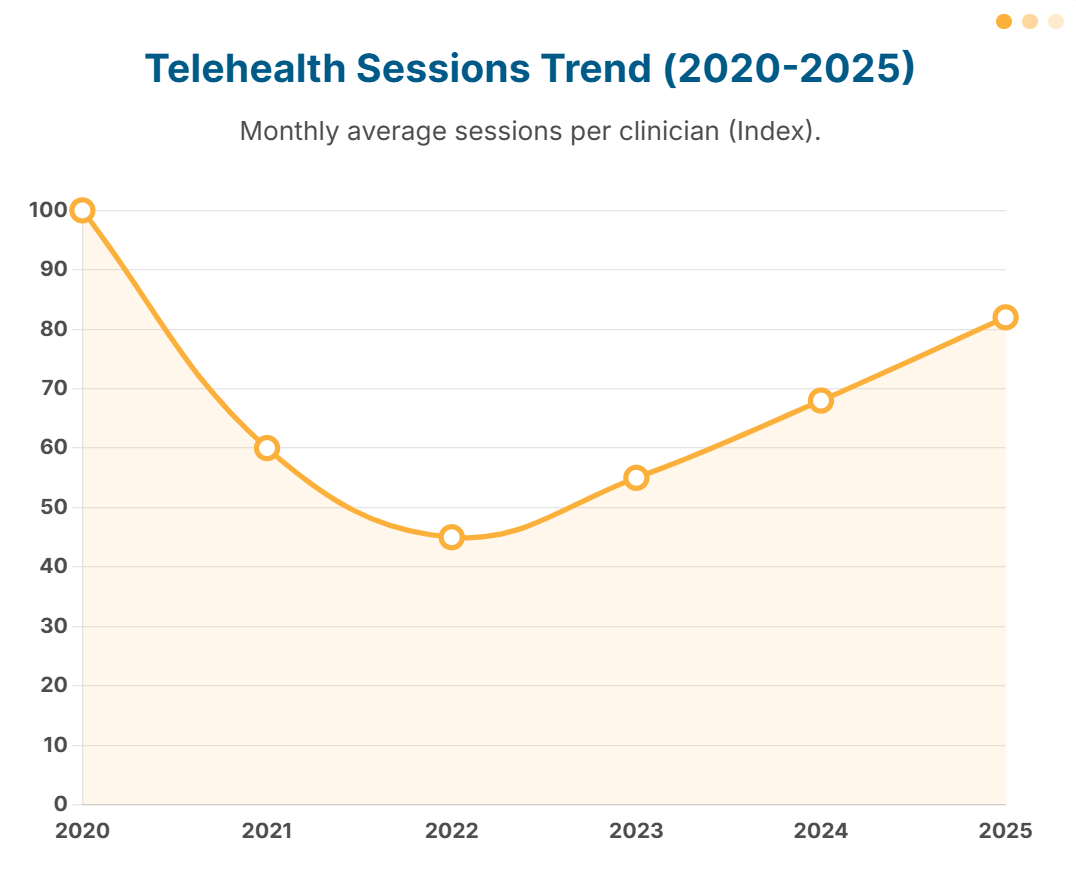
Start with a strong EMR and one or two additional tools. Add more features as your team becomes comfortable.
Choosing the right physiotherapy tools for your practice
Build a small set of connected systems that support how you already work.
When assessing new technology in physiotherapy, focus on:
- Clinical goals and evidence: Choose tools that fit your caseload and are supported by recognised guidance. Consider how they complement your holistic treatment philosophy and whether they support manual therapy alongside technological treatments.
- Ease of use for staff and patients: Interfaces should be clear and simple. Confusing systems won't be used consistently.
- Data security and compliance: Providers should follow strong data protection standards, including GDPR, and handle sensitive health information safely.
- Integration with existing systems: Tools should connect with your current practice management software, calendars, and communication channels. Joined-up systems reduce double entry.
- Cost, support, and maintenance: Weigh licence fees and setup costs against long-term value. Prefer solutions with reliable support, regular updates, and clear service agreements.
- Patient-centred design: Select technology that's accessible to patients with different levels of digital confidence. Simple log-ins, clear visuals, and straightforward instructions help people stay involved.
Digital systems work best alongside in-person care. Balance delivers better outcomes for patients.
How WriteUpp supports technology in physiotherapy practice
WriteUpp supports busy physiotherapy clinics by combining clinical, administrative, and communication tools in a single, cloud-based platform.
WriteUpp can support your physio practice with:
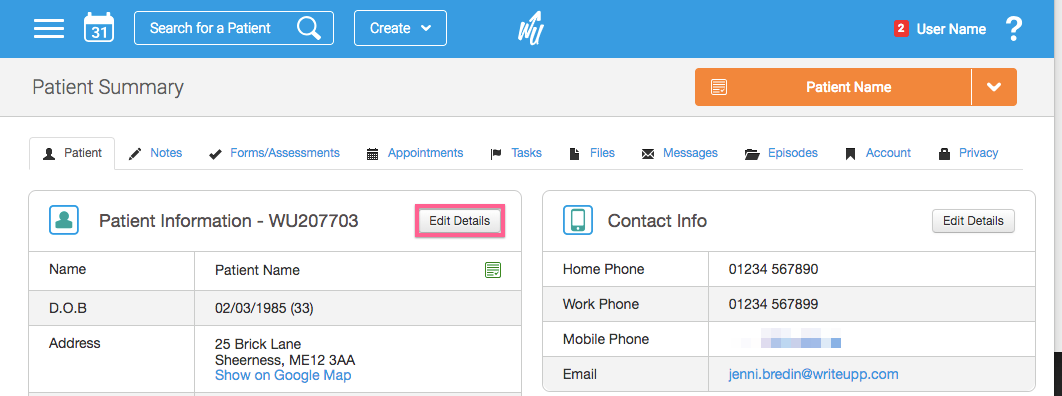
- Central patient records and clinical notes: Secure electronic records with customisable templates and attachments keep assessments, treatment plans, and progress notes consistent across your team.
- Appointment scheduling, online booking and reminders: A shared diary for clinicians and rooms, with online booking and automated SMS and email reminders, reduces phone traffic and keeps your schedule on track.
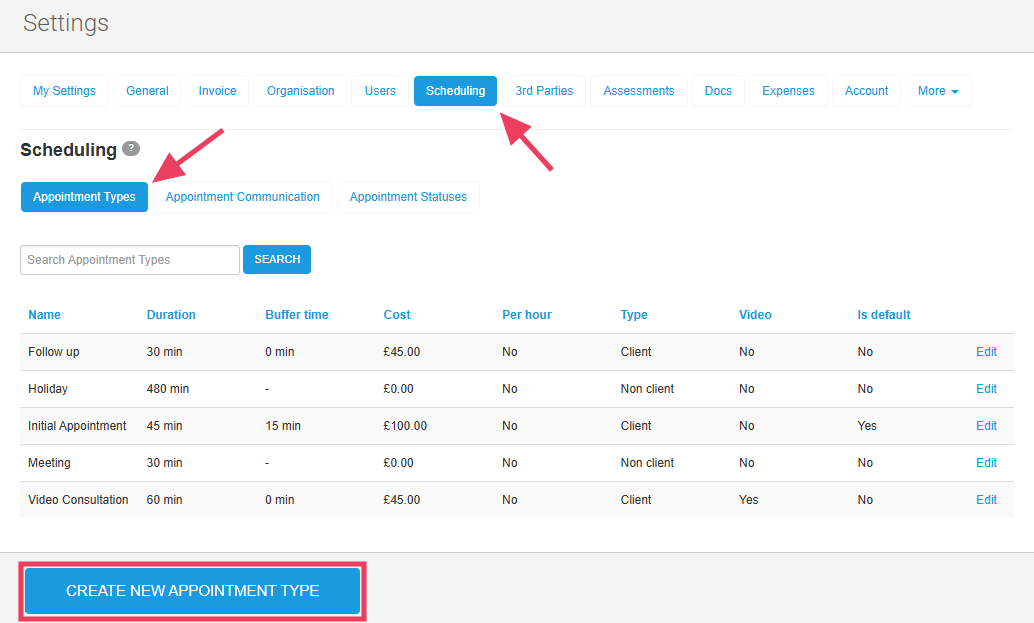
- Remote consultations and online forms: Built-in video consultations and digital forms let you offer virtual appointments and collect key information before sessions.
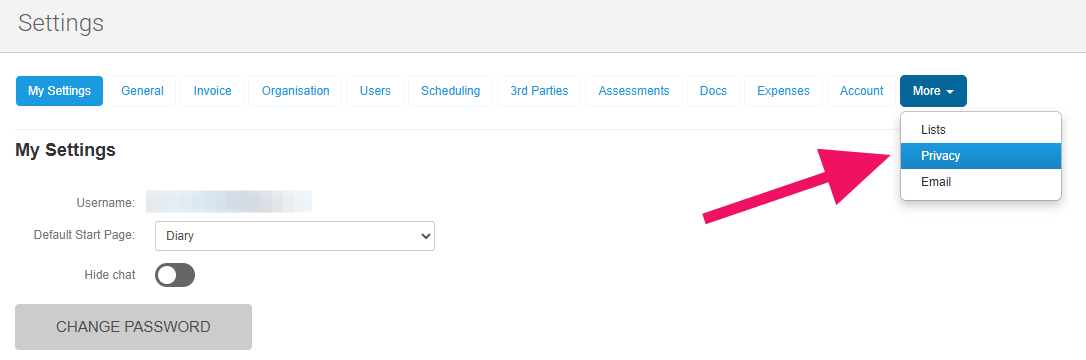
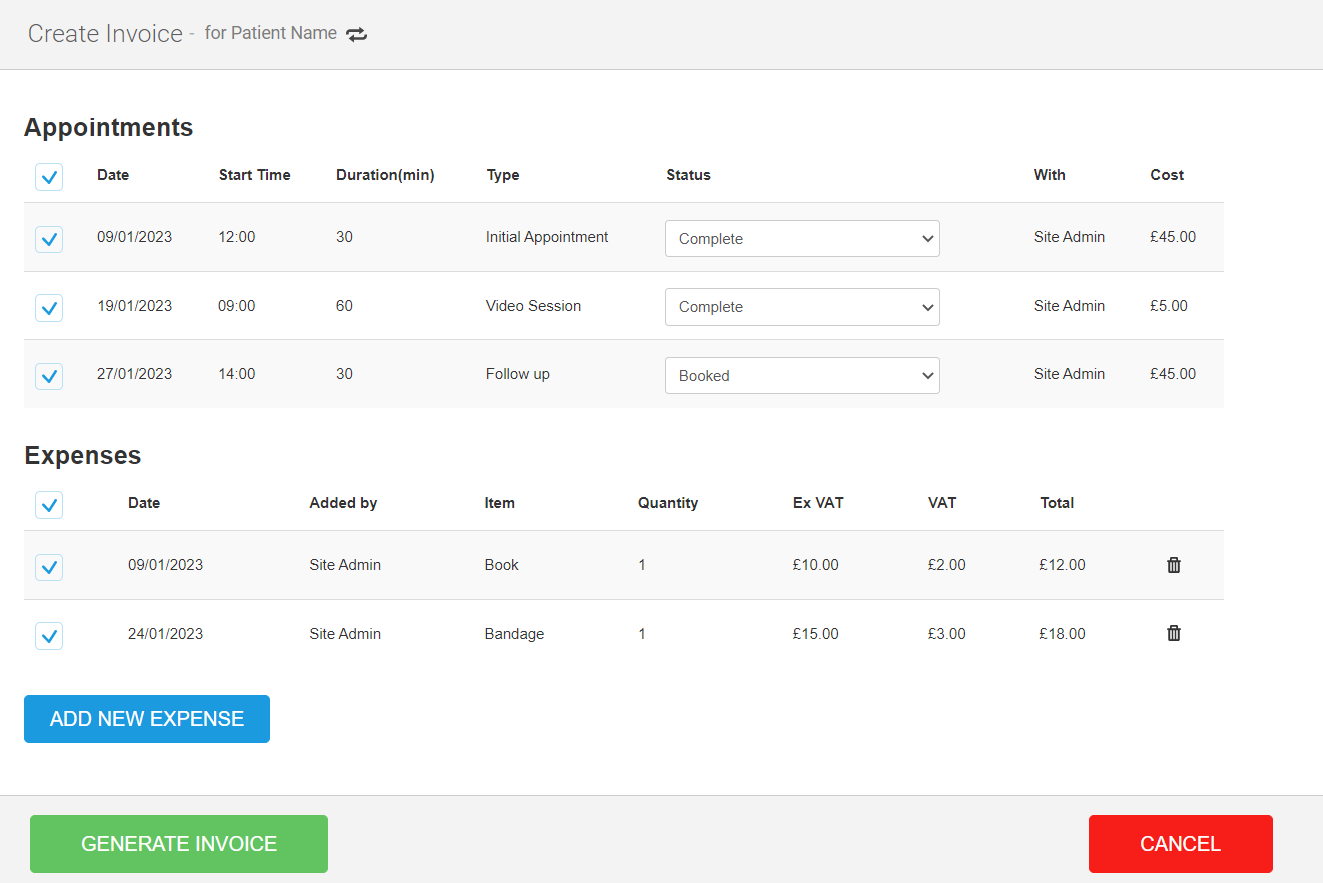
- Billing, payments, and reporting: Integrated invoicing, payment recording, and simple reports give you a clear picture of clinic activity and finances.
- Patient communication and follow-up: Messaging and document sharing from within the patient record make it easier to reinforce advice, share exercises, and keep patients supported between appointments.

See how this works in practice in the case study with Philip Newton, a physiotherapist using WriteUpp to manage his clinic.
Final thoughts
Technology in physiotherapy is central to how many clinics organise information, communicate with patients, and deliver consistent care. It doesn't replace soft tissue release techniques or manual therapy, but it makes it easier to apply your expertise in structured ways.
Choosing physiotherapy technology that aligns with your clinical goals improves assessment accuracy, supports patient engagement, and simplifies everyday workflows. You get more time with patients, fewer administrative headaches, and a clearer picture of how your clinic is performing.
Try WriteUpp's all-in-one platform and see how it supports high-quality patient care in your clinic.

.png)

.png)

.png)



Join over 50,000 clinicians that we've helped using WriteUpp
Start my free trial