
Building a referral network to boost your physio clinic’s success
Key Takeaways
- Building a referral network takes intention and you need clear pathways that make it easy for partners to send patients your way
- GPs and allied health professionals are more likely to refer when your clinic has straightforward booking and keeps them updated on patient progress
- Tracking where referrals come from shows you which relationships are actually bringing patients through the door and where people drop off before booking
- You don't need complicated systems to maintain referral relationships just regular check-ins and helpful updates that keep you top of mind
A physio clinic can deliver excellent care and still deal with an uneven diary. A referral network helps create more predictable demand by bringing in patients who arrive with clearer expectations and a higher level of trust.
This guide explains what a referral network looks like in physiotherapy, which partner types are worth prioritising, and how to build a repeatable referral process that converts into booked appointments.
Referral networks in physiotherapy and why they work
A referral network in physiotherapy is a trust-based group of healthcare and community professionals who direct patients to your clinic when physiotherapy is the right next step. In many clinics, it also works in the other direction, because physiotherapists regularly guide patients toward complementary support when it sits outside physio scope.
Referral sources typically fall into three groups:
- Clinical referrals, such as GPs, consultants, and other healthcare providers
- Community and performance referrals, such as gyms, personal trainers, sports clubs, and coaches
- Patient-led referrals, where existing patients recommend the clinic to others
This last category matters more than many clinics realise. Consistent care and clear follow-through encourage word-of-mouth marketing, which can become one of the most reliable sources of client referrals over time.

It also helps to think about inbound versus outbound. Inbound referrals happen when people already know your clinic and send patients without you prompting them. Outbound referral networking is when you build relationships, explain what you treat, and make it easy for partners to refer the right patients.
Who to include and how to prioritise partners
Primary care: GPs refer when they need a reliable pathway for musculoskeletal conditions. They value clear scope, easy booking, and predictable handoffs. NHS case studies show that effective referral systems can significantly reduce the burden on both patients and secondary care services.
Specialists: Orthopaedic consultants refer when patients need structured rehab, prehab, or conservative care.
Allied health: Chiropractors, osteopaths, podiatrists, and massage therapists refer when needs sit outside their scope. They respond well to respectful collaboration and clear boundaries. Occupational therapists, who often work in community care settings and accept referrals from GPs and physiotherapists, can become particularly strong referral partners when treating patients with complex functional needs. Multidisciplinary team approaches have been shown to improve quality of care when professionals collaborate effectively across disciplines.
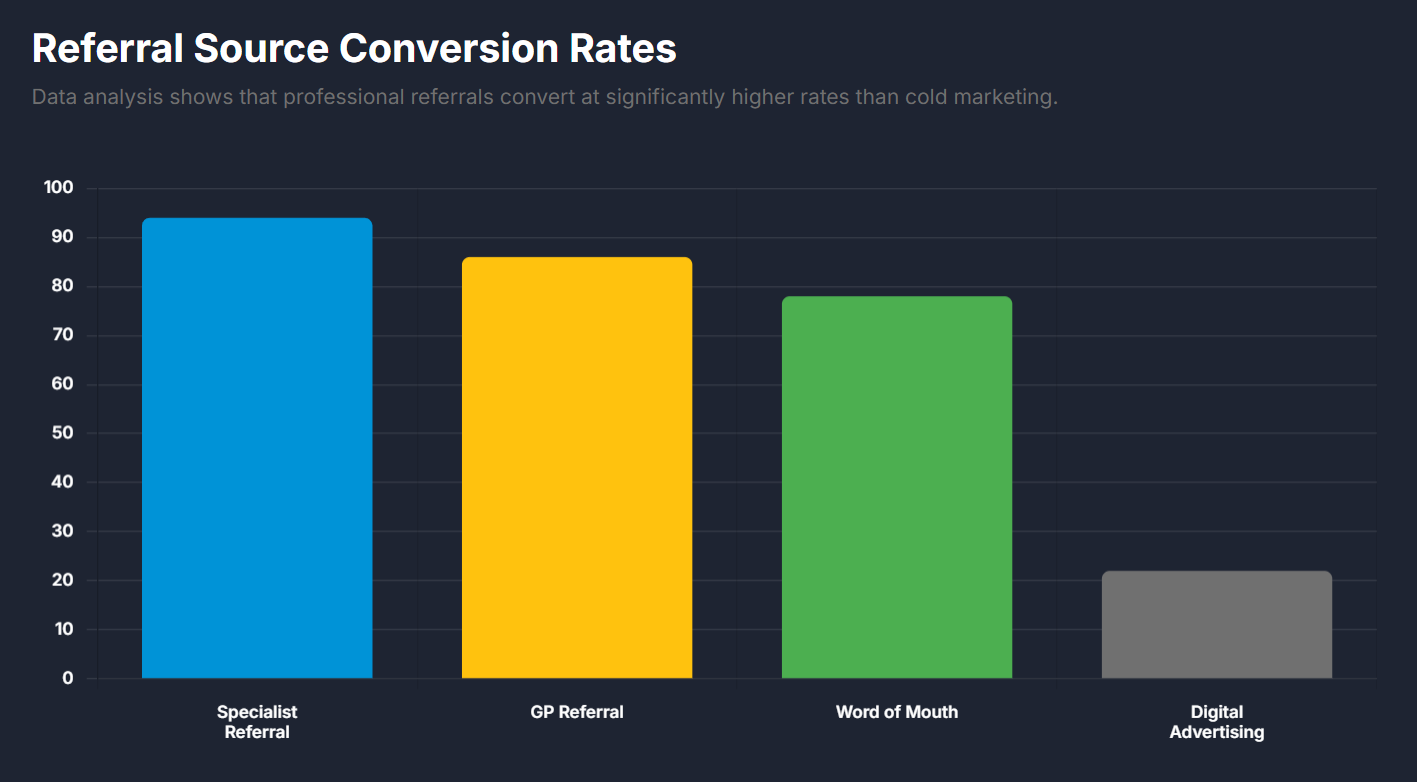
Fitness and sport: Personal trainers, strength coaches, and sports clubs refer because they want clients training safely. They look for practical guidance on when to refer.
Workplace and community: Employers, wellbeing providers, and community groups refer when they want dependable care. Strong referral relationships here often start with genuine community engagement, not cold outreach.
What makes a strong referral partner
High-quality referral relationships protect both reputation and patient outcomes. Prioritise partners who meet three criteria: they regularly see your ideal patient type, referring to your clinic reduces risk or saves time for them, and your clinic can offer fast access and consistent follow-through.
This keeps networking for referrals focused and avoids spreading effort across partners who are unlikely to send suitable patients.
How to build a referral network that actually sends patients
1. Get the clinic referral-ready first
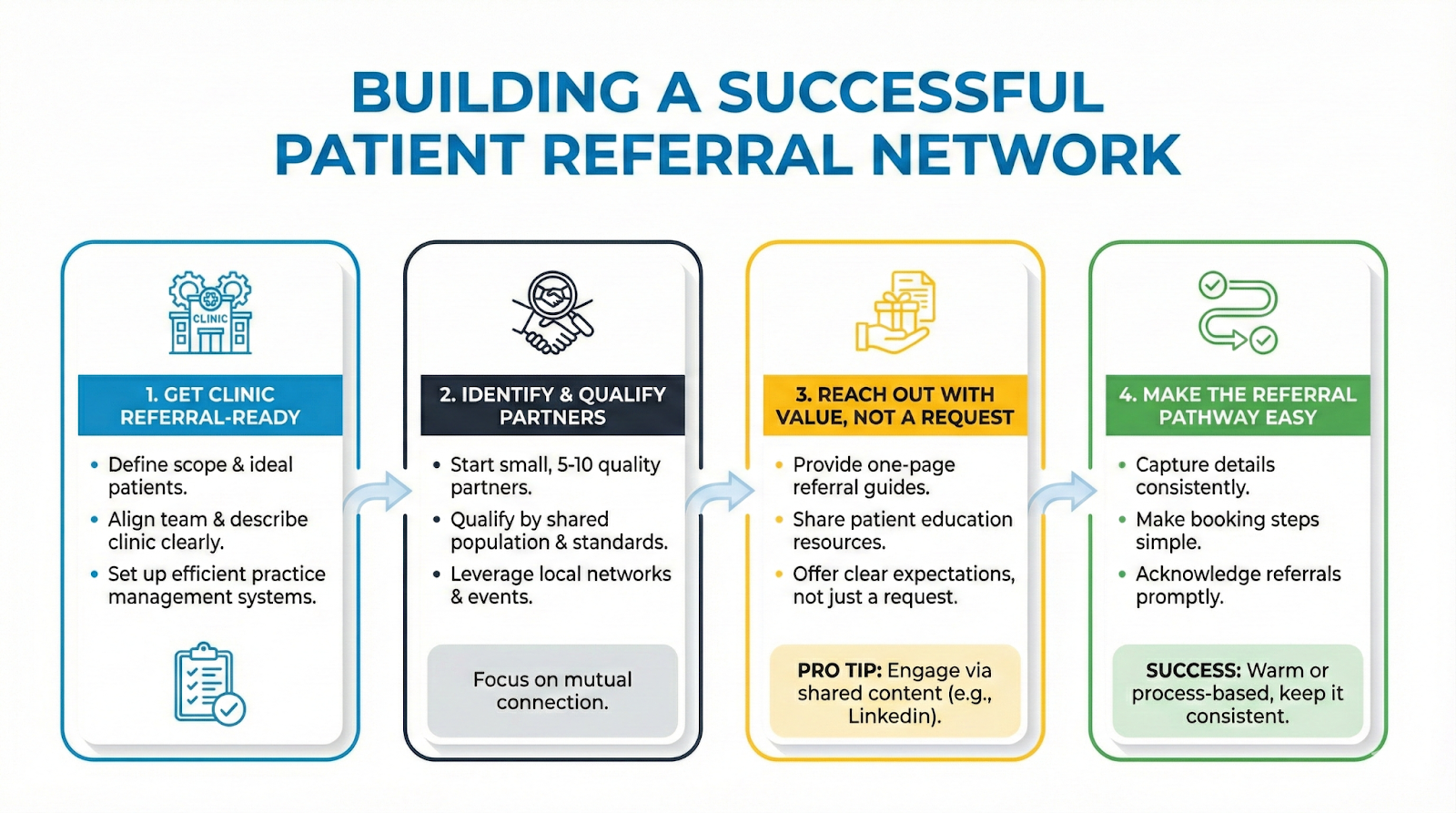
Partners refer when they feel confident the handoff will be handled well. Start by tightening the basics: define your scope and ideal patient types, be specific about what you want referrals for, decide what fast access means for referred patients, and align the team on how to describe the clinic.
Setting up efficient practice management systems from the start helps your team handle referrals consistently without adding extra admin burden.
If you plan to formalise your approach, treat this as the operational foundation of a clinic-level referral program.
2. Identify and qualify potential partners
Start with five to ten partners, then expand once the process is working. Qualify partners using shared patient population, convenient location, complementary services, professional standards, and responsiveness.
To find suitable partners, start where clinicians already connect. Local professional bodies and trade associations often run meet-ups, CPD sessions, and directories. These settings can also create natural opportunities for introductions through mutual connections.
Look at local networking events that attract healthcare, sport, and wellbeing professionals where your ideal referrers genuinely spend time.
3. Reach out with value, not a request
A strong first contact gives the partner what they need to refer appropriately. Use a simple outreach structure: why you're reaching out and who you help, when a referral is appropriate, how booking and handoff works, and what the partner can expect.
Value assets include a one-page referral guide with indications and booking steps, patient education resources a partner can share, and clear expectations for turnaround.
If the clinic is active on LinkedIn, engaging with clinicians and local partners through shared content can make outreach easier.
4. Make the referral pathway easy for patients and partners
Good relationships still fail when the referral pathway adds friction. Focus on four basics: capture essential referral details consistently, make booking steps easy to follow, acknowledge referrals promptly where appropriate, and keep the process consistent.
Two common referral styles both work well. Warm referrals, where the referrer sets expectations with the patient, tend to improve follow-through. Process-based referrals, where the pathway is structured and consistent, improve speed and reduce admin.
Maintain, track, and improve your referral system
Keep relationships active with a simple cadence
Referral networks work best when they stay active without becoming time-heavy. A simple cadence can include quarterly check-ins to share availability or scope updates, occasional education touchpoints such as a short talk for a sports club, and practical updates that help partners refer appropriately.
Consistency matters more than frequency. Regular, low-effort touchpoints prevent the relationship from going quiet.
Track what's working and fix drop-offs
Tracking should be simple and tied to decisions. Track referral source, conversion into booked appointments, drop-offs before the first visit, and volume trends over time.
This is where referral tracking becomes useful. The goal is to understand which relationships consistently lead to booked appointments and where the process breaks down. Using key performance indicators helps you make data-driven decisions about which partnerships to prioritise.
Where it fits your workflow, referral software can support consistent recording of referral sources and make it easier to review patterns over time. Track referrals the same way every time, then review them regularly enough to act.
Where appropriate, close the loop with partners using short updates, such as sharing an updated referral guide. Keep information sharing aligned with consent expectations.
WriteUpp tools that support referral-ready workflows
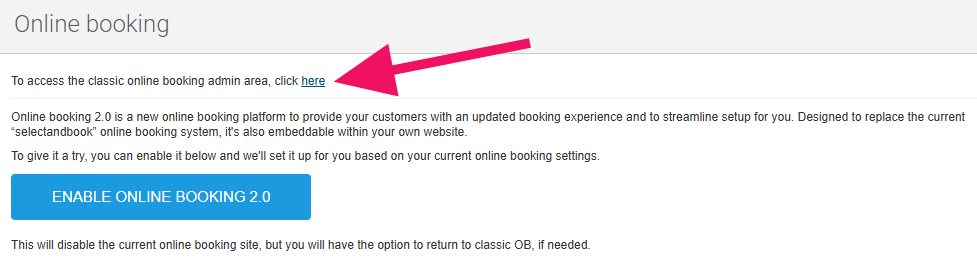
- Online booking: Lets referred patients book quickly through a clear online booking link, reducing delays and back-and-forth that can cause drop-offs.
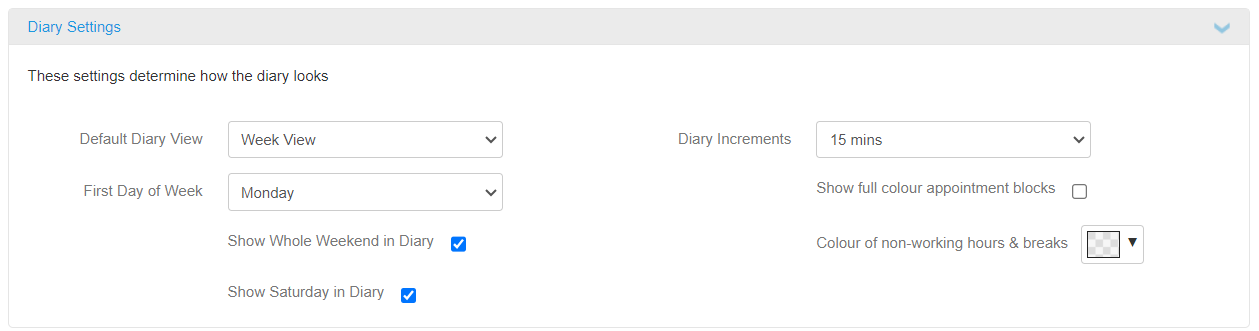
- Diary management: Helps the clinic offer suitable appointment times, manage multiple clinician schedules, and handle reschedules smoothly so referrals don't stall.
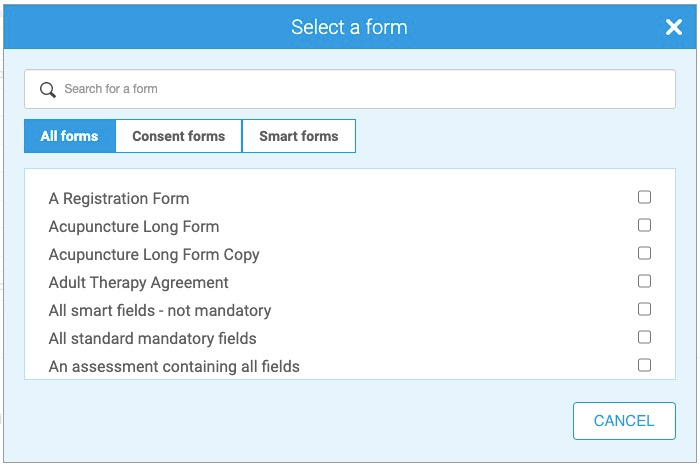
- Smart forms: Collects intake details before the first appointment and keeps information organised in the patient record, supporting a cleaner handoff and fewer follow-up calls. Automating your paperwork with online forms makes it easier for referred patients to complete necessary information before they arrive.
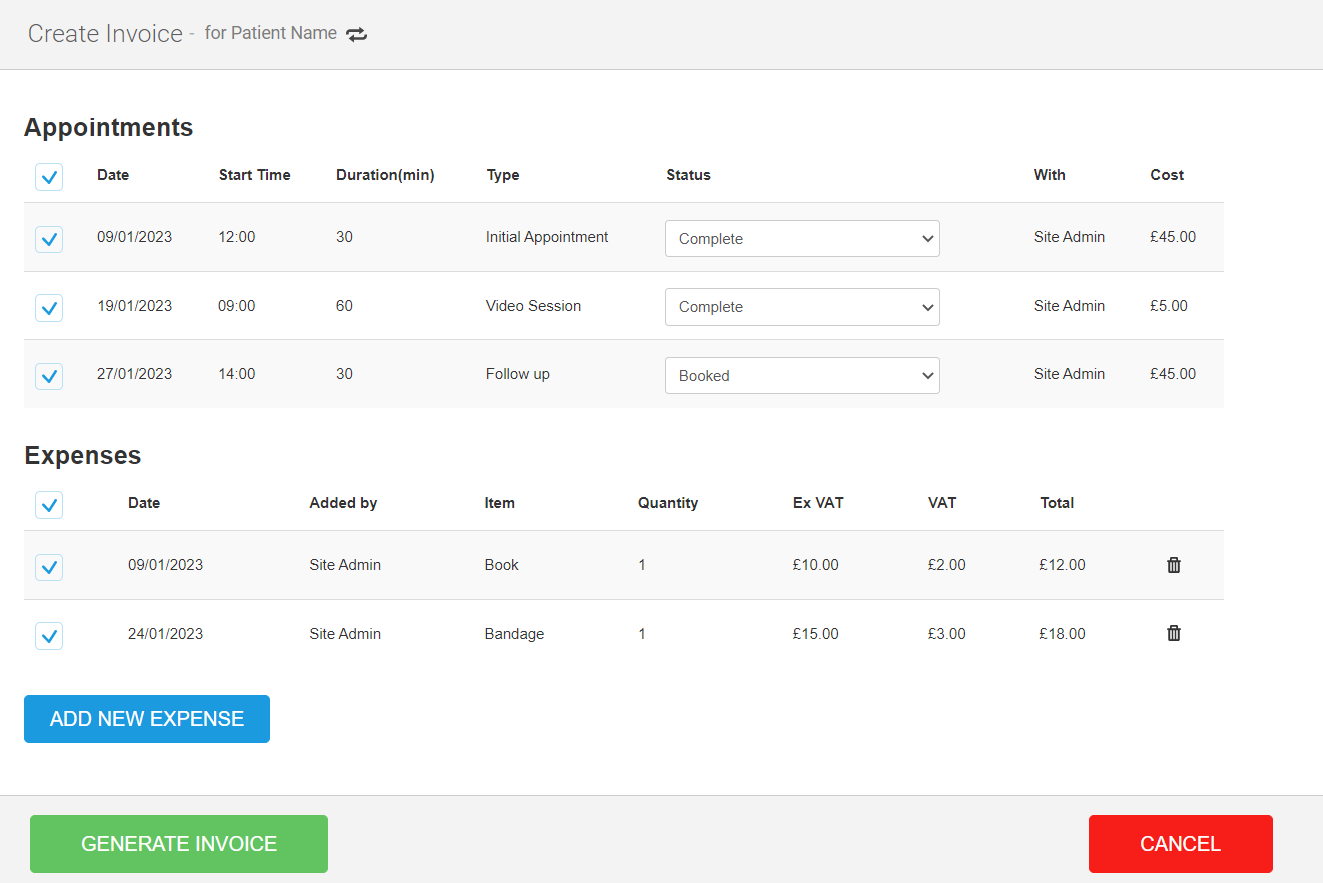
- Payment processing: Supports simple online payment options and clear payment status so the clinic can reduce admin friction around invoices and getting paid.
- Clinic software management: Helps record referral sources and review patterns over time so the clinic can see which relationships drive booked appointments and where patients drop off.
- Security: Supports safe handling of patient information so referrers and patients can trust the clinic's process when sharing sensitive details.
Closing tips and next steps
A referral network works when the clinic is clear on who it helps, partners know when to refer, and patients can book without friction. Start with a small group of well-matched partners, offer value that makes referrals easier, and build a referral pathway the team can repeat.
Keep relationships active with a simple cadence and track the points that show whether referrals convert into booked appointments. With consistent follow-through, referral networking becomes a dependable part of clinic growth.
Ready to streamline your referral tracking and grow your clinic?
See how WriteUpp helps physiotherapists manage referrals with ease.

.png)

.png)

.png)



Join over 50,000 clinicians that we've helped using WriteUpp
Start my free trial