
Client-centred therapy: Key principles for patient-focused care
Key Takeaways
- Client-centred therapy empowers clients to lead their own therapeutic journey while therapists provide unconditional positive regard, empathy, and congruence
- The non-directive approach does not mean passive therapy but rather active listening that helps clients clarify their own experiences without imposed agendas
- Strong therapeutic relationships are the most powerful predictor of treatment outcomes and reduce client drop-off rates in practice
- Person-centred principles can be blended with other humanistic therapies while maintaining the client's experience at the centre of care
When someone walks into your consulting room carrying something difficult, they're not looking for you to fix them. They're looking for space to make sense of what's happening. Client-centred therapy creates that space by putting the client's own experience at the centre of the work.
For UK therapists managing full caseloads, that principle shapes how sessions feel, how trust builds, and how documentation reflects what the client actually said.
This article explains what client-centred therapy is, what characterizes client-centred therapy in real-world delivery, and the core conditions that support change. You'll also find practical notes on when the approach may not suit, and how your practice workflow can protect consistency without creating unnecessary admin.
What client-centred therapy is and what it is not
Client-centred therapy (also called person-centred therapy or Rogerian therapy) is a humanistic therapy developed by Carl Rogers in the 1940s. The client generally sets the direction and content of therapy sessions. The therapist's role is to create a therapeutic environment and relationship that supports psychological growth.
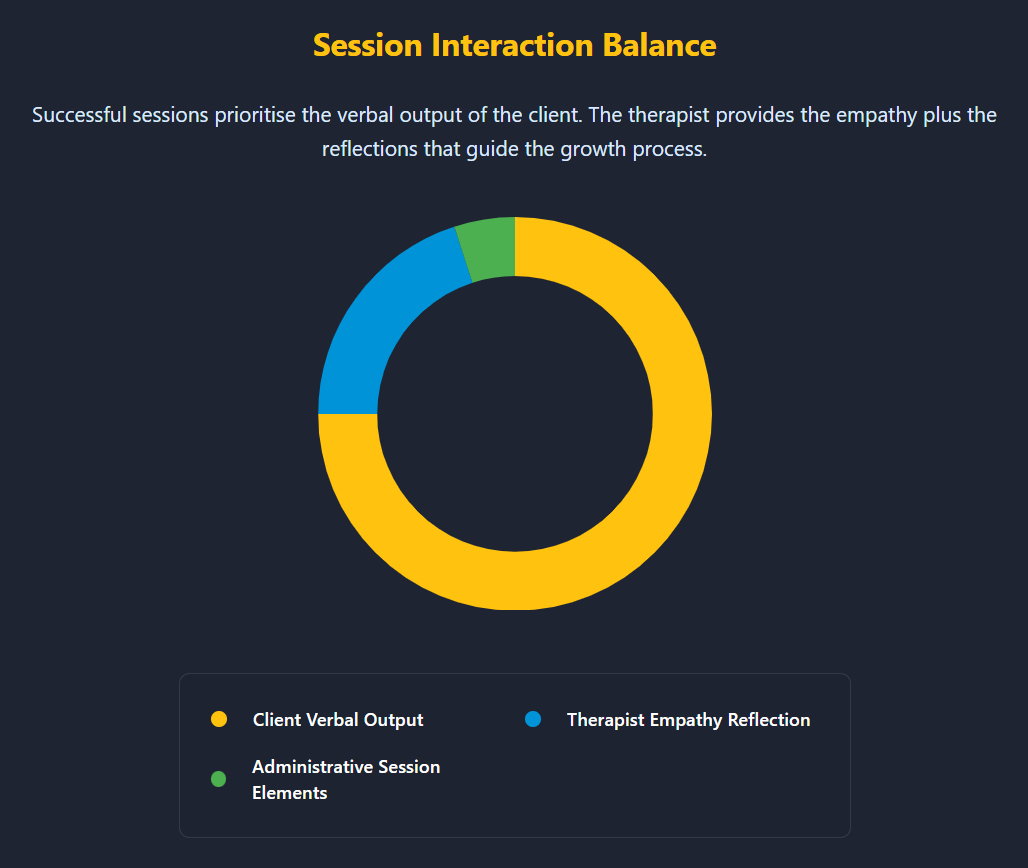
A defining feature is its non-directive approach. This non-directive therapy does not mean passive delivery. It means the therapist does not impose an agenda, steer the client toward a predetermined interpretation, or push fixed exercises. Instead, the therapist uses active listening and responds in ways that help the client clarify their own experience.
Common misconceptions worth clearing up: The person-centred approach is not the same as having no structure; a safe frame still matters, including boundaries and safeguarding. It is not advice-led. The therapist supports insight rather than telling the client what to do. It is also not defined by a rule that diagnosis can never be used. The model is not diagnosis-driven, but clinicians working in regulated mental health care systems may still complete an assessment when required by care pathways.
Change is supported through the therapist's stance and the relationship conditions that make self-exploration safer. Carl Rogers described wider conditions for change, including psychological contact between client and therapist, highlighting how central the therapeutic alliance is to this therapeutic process.
Core principles of client-centred therapy
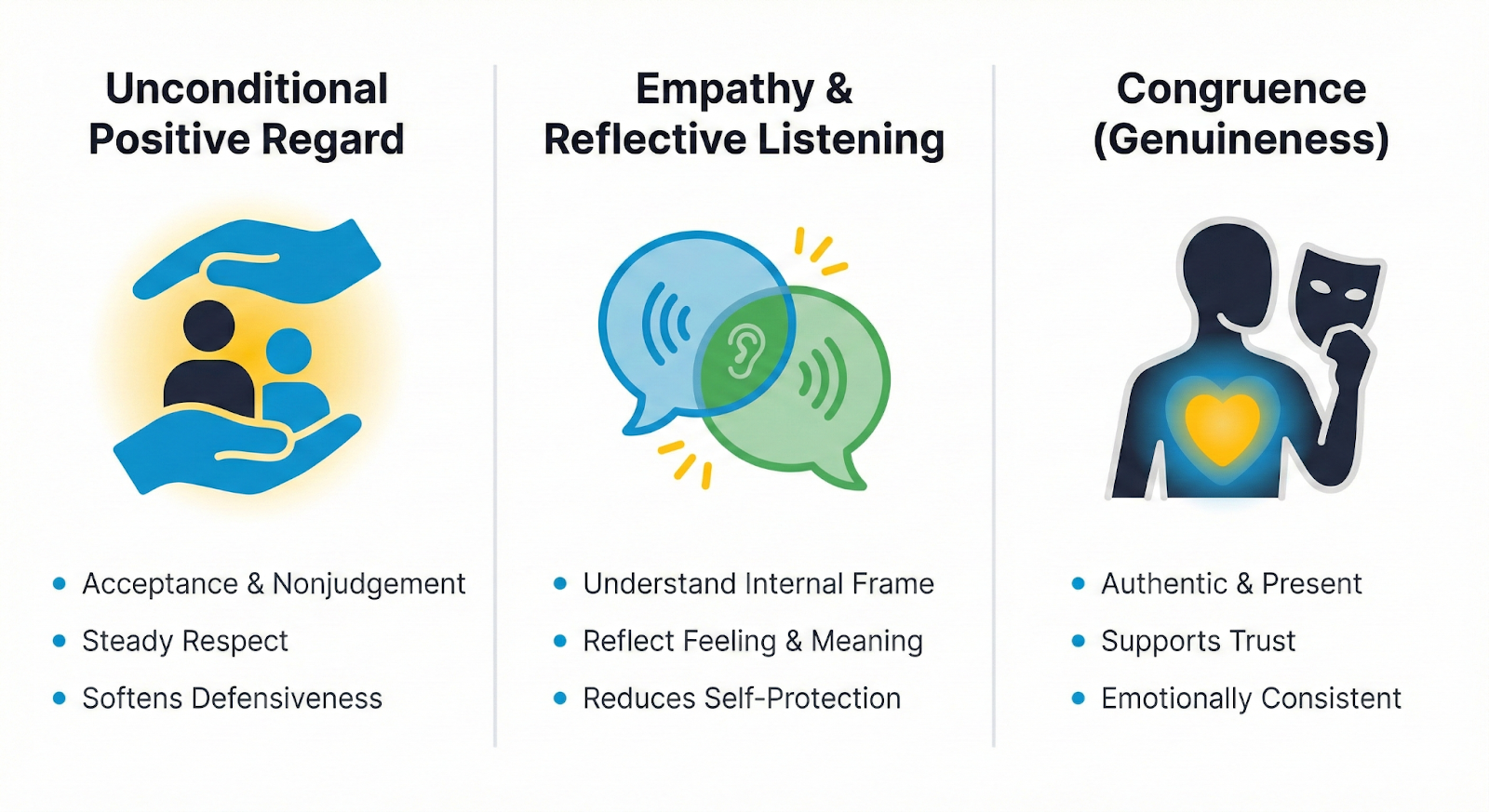
Client-centred therapy techniques are guided by the therapist's way of being with the client. Rogerian principles describe the core conditions that support psychological change when offered consistently.
Unconditional positive regard
Unconditional positive regard is a steady stance of acceptance and nonjudgement toward the client as a person. It does not mean agreeing with every choice. It means the client does not have to earn respect in the room.
In practice, this shows up through a calm and nondirective attitude. The therapist stays present when the client shares difficult feelings or parts of themselves they feel ashamed of. The therapist does not punish openness with withdrawal or moral judgement. When acceptance is reliable, defensiveness can soften, and the client may find it easier to speak honestly, supporting greater self-acceptance and a more realistic sense of worth.
Empathy and reflective listening
Empathy in this humanistic approach is an active effort to understand the client's internal frame of reference. Empathetic understanding is not sympathy, which can slide into reassurance. Empathy stays close to the client's meaning and invites deeper clarity.
Reflective listening is one of the most recognisable person-centred skills. Rather than asking a long series of questions or moving quickly to problem-solving, the therapist reflects and checks meaning through:
- Reflecting feeling or meaning using the client's language
- Clarifying when something feels layered or hard to put into words
- Checking understanding by summarising briefly
This reflection of feelings helps clients slow down and notice what is happening inside. Feeling accurately understood reduces the urge to self-protect, making it easier to work through emotions with honesty.
Congruence: Genuineness in the therapeutic relationship
Congruence means the therapist is authentic and present rather than hiding behind a professional façade. This does not mean over-sharing. It means the therapist is real in a way that supports trust, emotionally present, consistent, and willing to acknowledge what is happening in the room without forcing interpretation.
When the approach may not be the best fit
Client-based therapy can feel less structured than directive approaches, which can be uncomfortable for some clients. People who want step-by-step strategies or clear homework may feel unsure when the therapist does not lead in that way. Time constraints in public mental health care settings can also limit depth.
Many clinicians blend person-centred principles with other humanistic therapies while keeping the client's experience central. What characterizes client-centred therapy in these blended approaches is the consistent non-directive stance and prioritisation of the client's understanding over therapist-imposed solutions.
Benefits for patients and day-to-day practice
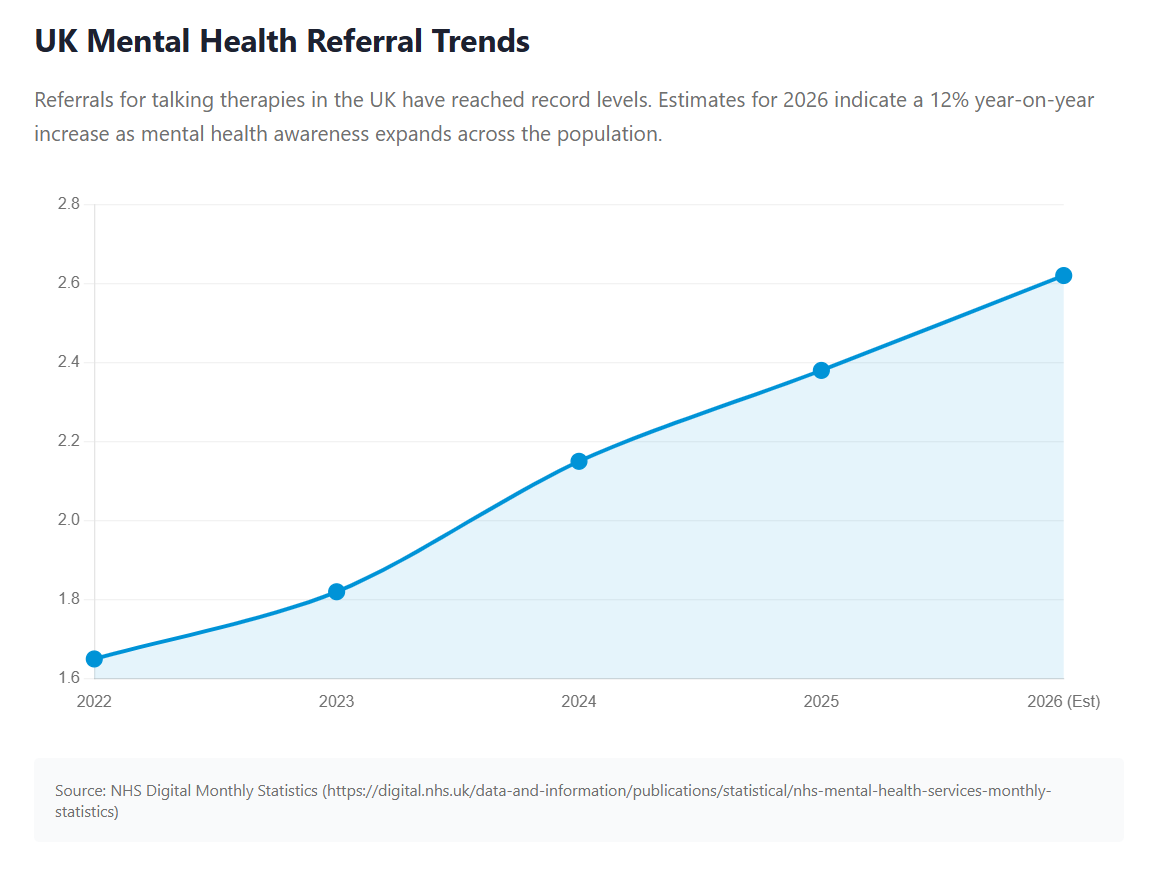
Client-centred therapy is used across a range of concerns, especially where goals include increased self-understanding, self-acceptance, and healthier relating. With over 2.16 million people in contact with mental health services as of June 2025, the approach is commonly used when clients present with distress, anxiety, and depressive symptoms.
Patient benefits that align with the approach
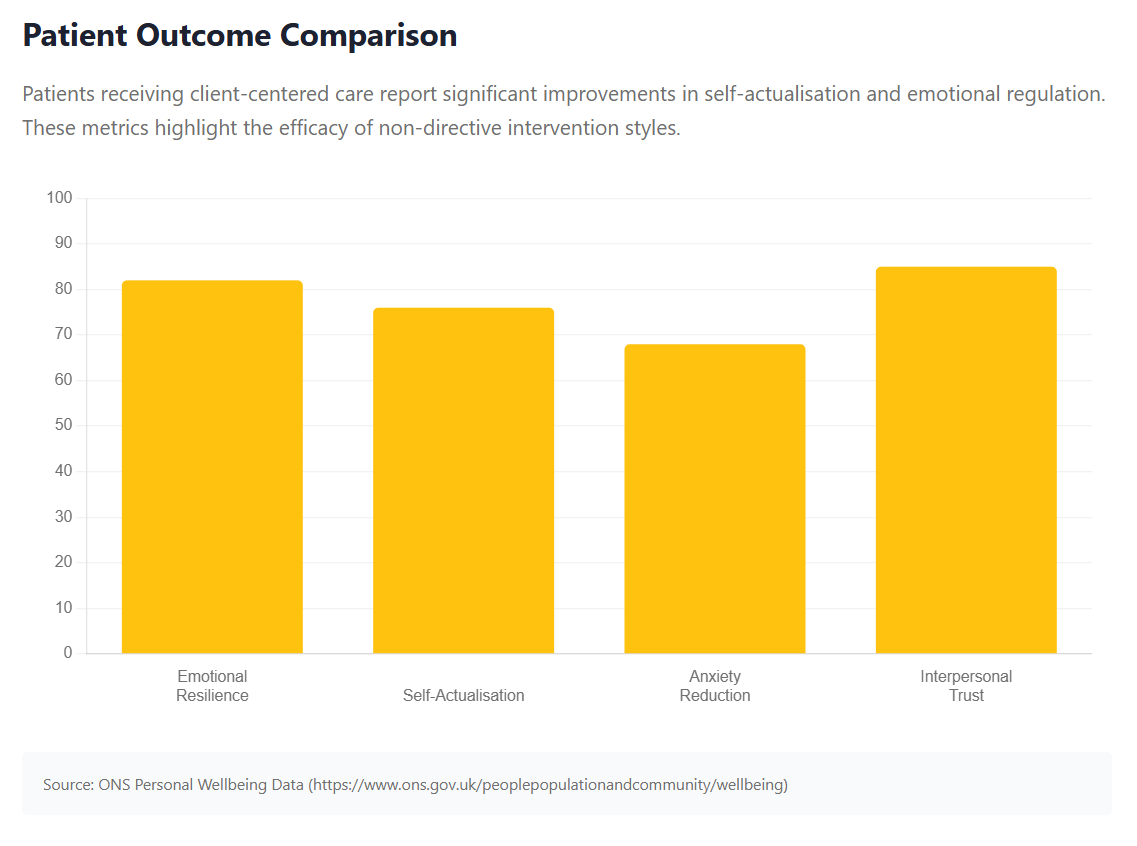
Because the therapeutic relationship is the intervention, benefits often connect to how the client experiences themselves:
- Stronger self-acceptance and self-esteem, especially for clients who judge themselves harshly
- Increased emotional awareness and resilience
- Greater autonomy and confidence in decision-making
Practice benefits clinicians care about
Research shows that the quality of the therapeutic alliance is widely recognised as the strongest predictor of treatment outcome. A stronger therapeutic relationship supports engagement and reduces drop-off when clients feel respected. Goals become clearer when shaped in the client's language rather than only through clinical labels. The approach also reduces pressure to provide quick answers, the focus stays on understanding and the client's capacity to move forward.
Implementing person-centred therapy in your practice
Implementation begins before the first session. Intake and early appointments need structure to keep care safe without taking control of the client's direction. The practical foundations remain consistent in UK settings: active listening that checks meaning, documenting the client's language, and reviewing progress in a client-led way to achieve positive outcomes.
Safeguarding and clinical responsibilities still apply. The non-directive stance does not remove the mental health professional's duty of care, and documentation must meet regulatory standards.
How does WriteUpp support person-centred delivery?
Practice workflows should support your therapeutic styles, not complicate them. WriteUpp handles the operational side so you can focus on therapy sessions.
- Smart forms send intake and consent forms automatically after booking, with responses captured in the client record. This reduces paperwork during session time.
- Online booking offers 24/7 scheduling without back-and-forth messages, supporting smoother access and fewer admin interruptions. Automated reminders help reduce missed appointments, maintaining continuity of care.
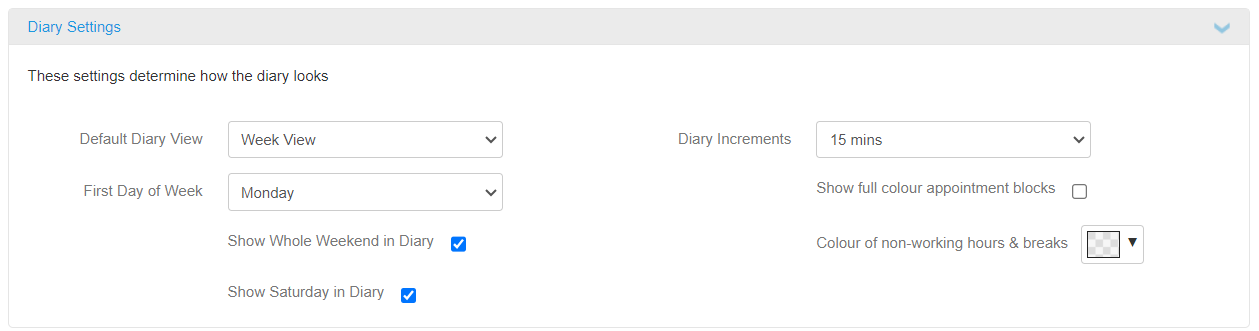
- Diary management keeps availability and appointments clear in one place, supporting consistency for returning clients.
- Video consultation runs secure remote sessions inside the platform, making it easier to maintain continuity across delivery formats.
- Security protects patient records with ISO 27001-aligned, GDPR-ready systems. Confidentiality is non-negotiable in supportive counselling work.
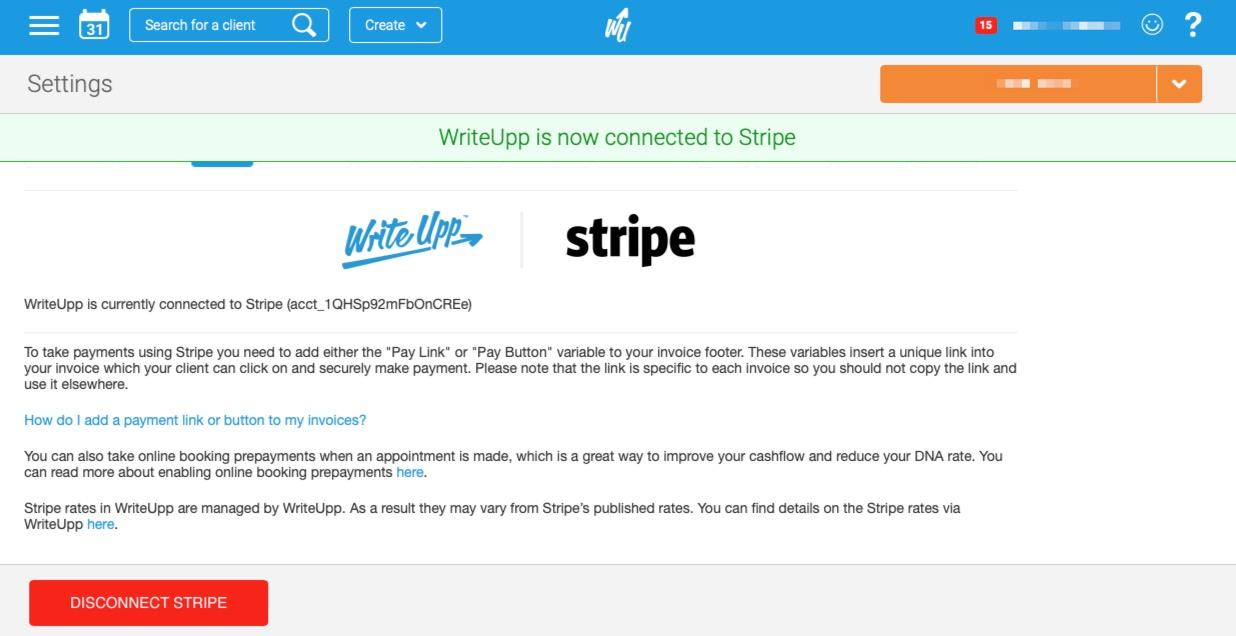
- Payment processing handles invoices through integrated options, keeping practice admin predictable.
Keeping care client-led while reducing admin
Client-centred therapy is defined by a non-directive stance supported by empathy, unconditional positive regard, and congruence. These core conditions shape the client's experience because they influence how safe it feels to reflect and speak freely.
Your practice software should support that safety, not interfere with it. WriteUpp keeps the admin predictable so the therapeutic relationship can stay central.
Deliver more personalised, empathetic care without the admin overload. WriteUpp helps you manage a client-centred therapy process with secure video calls, streamlined documentation, and seamless scheduling.

.png)






Join over 50,000 clinicians that we've helped using WriteUpp
Start my free trial