
Addressing patient complaints: A guide for physiotherapy clinics
Key Takeaways
- A clear patient complaints process helps physiotherapy clinics respond calmly and consistently when patients raise concerns.
- Strong communication and expectation setting reduce misunderstandings about treatment plans, progress, and outcomes.
- Structured documentation and follow-up turn individual issues into chances to repair relationships with patients.
- Reviewing complaint trends highlights where clinic systems, policies, or admin workflows need improvement.
- Practice management tools like WriteUpp support better complaint handling through online booking, clear records, and digital feedback.
Patient complaints are a normal part of running a physiotherapy clinic. Even with a careful team and organised systems, some patients will still feel disappointed or unhappy with aspects of their care.
What matters is how you deal with those concerns. A clear, structured approach can turn difficult feedback into useful insight about your physiotherapy complaints, rather than something that damages trust.
What are patient complaints in physiotherapy?
A patient complaint is any expression of dissatisfaction about the care or service they receive. It might relate to treatment, how things were explained, the admin side of attending appointments, or any other health-related matters tied to your clinic.
These patient care concerns often arise when expectations are unclear or when patients feel they have not been listened to. Even if the clinical care is appropriate, poor communication can leave patients worried or confused.

Common types of patient complaints
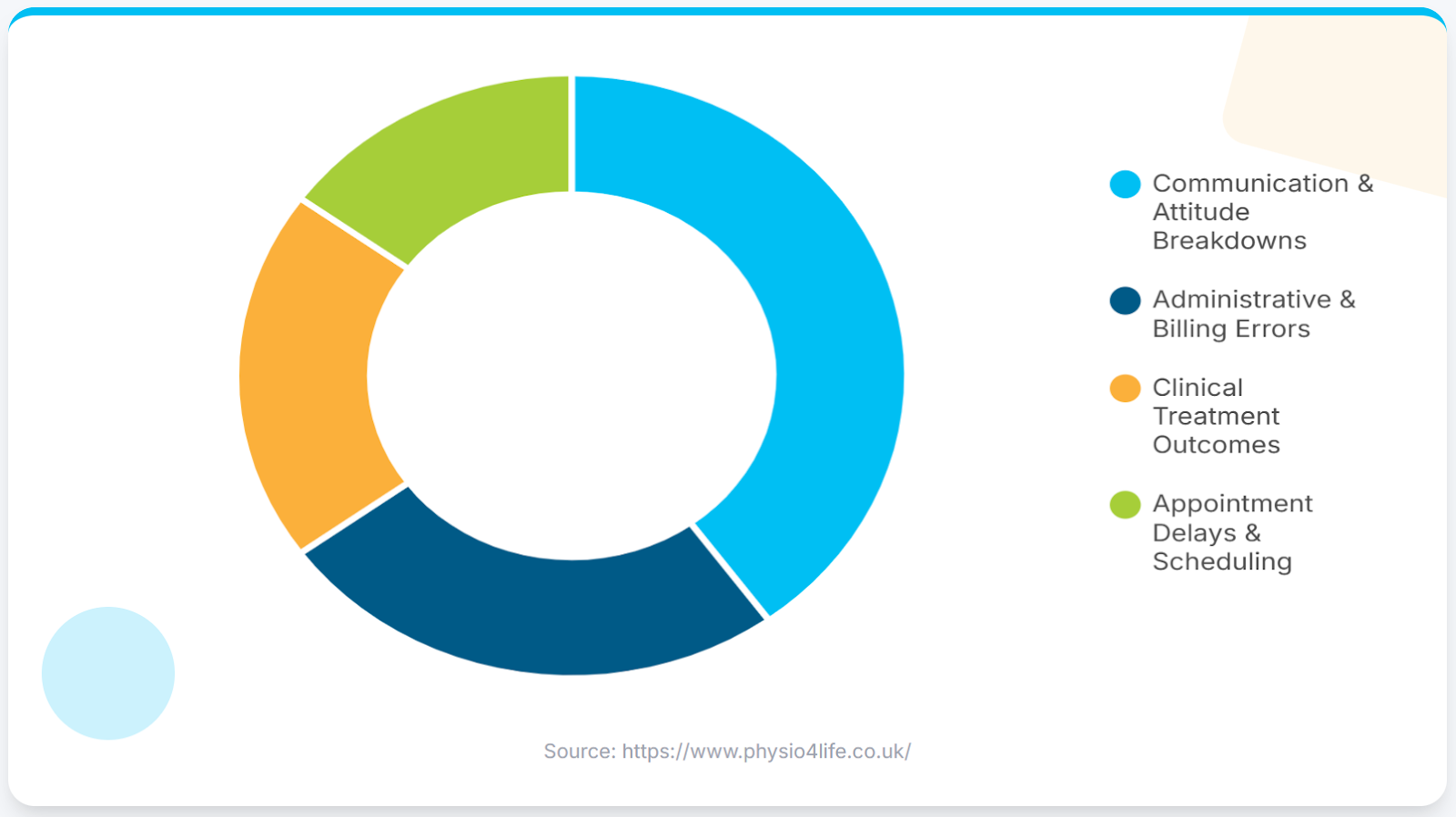
Most complaints in physiotherapy fall into three broad groups.
Care plan and progress concerns appear when patients feel their recovery is slower than expected, their treatment plan is unclear, or they hoped for a different style of therapy.
Admin issues and communication gaps relate to the practical side of care. These include long waits, last-minute changes, difficulty booking or rearranging sessions, or confusion about fees and insurance. Recent analysis from the Health Insight Survey shows that ease of contacting services remains an important factor in how people rate their experience.
Behaviour, environment, and confidentiality complaints focus on how patients are treated and how the clinic feels. They may involve staff attitude, privacy in treatment areas, cleanliness, noise levels, or worries about how health records are stored and who can access them.
Why it is important to address complaints professionally
Recent NHS data on written complaints recorded 256,777 written complaints in 2024 to 2025, a 6.1% rise on the previous year. This underlines why healthcare providers need a clear, consistent complaints process that supports patient confidence and safety.
Impact on clinic reputation and retention
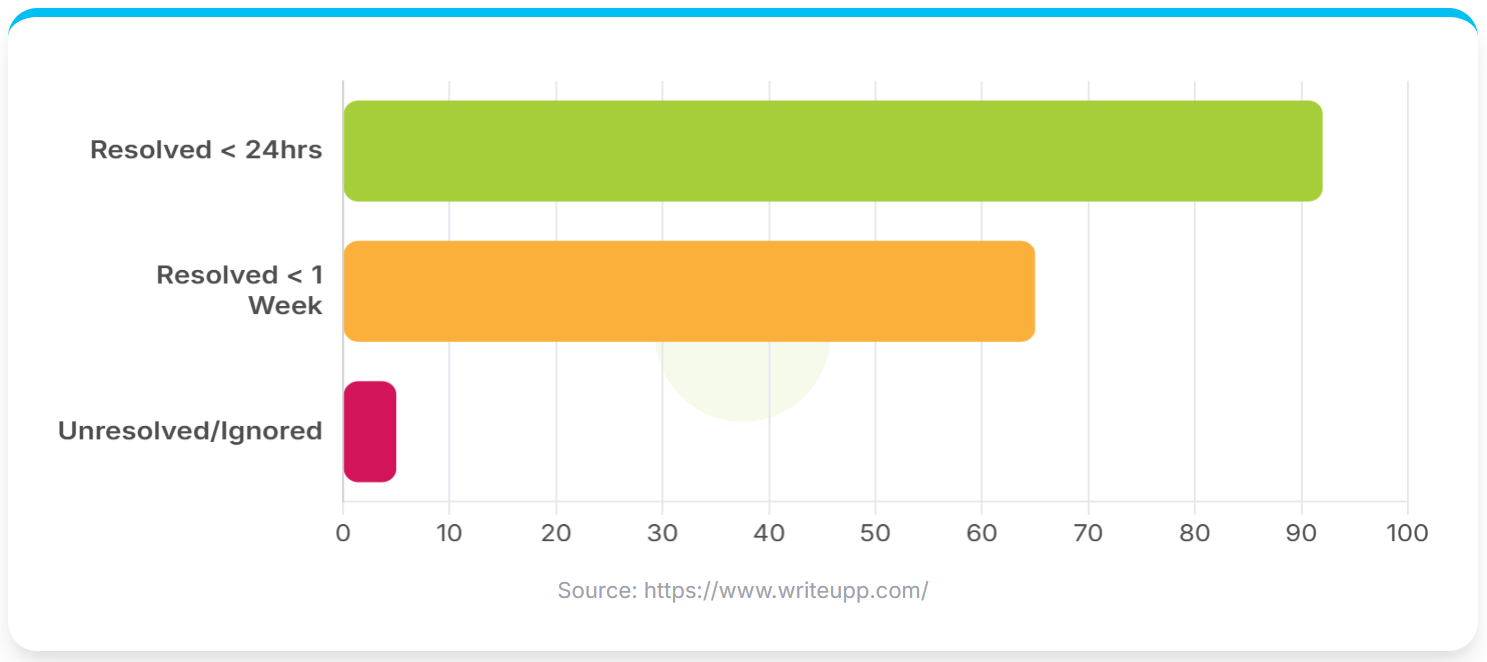
How you handle a complaint often has more impact on your clinic’s reputation than the original issue. A calm, honest response that explains what happened, apologises where appropriate, and describes what will change shows patients you take their concerns seriously.
NHS written complaints data also highlights communication and clinical treatment as common complaint themes, which means poor handling can quickly spill over into negative reviews and lost referrals, while a fair response can help patients stay and continue recommending your clinic.
Risk management and compliance
Regulators such as the Care Quality Commission expect clinics to have a formal complaints policy and to follow it. A simple, documented approach helps you respond promptly, keep an audit trail, and resolve concerns at the clinic level.
Dealing with issues early reduces the chance that they will escalate into formal complaints, allegations of medical negligence, or other legal action that pulls focus away from day-to-day care.
Turning complaints into opportunities
Complaints are focused feedback from patients on how they experience your service. Reviewing them regularly, alongside tools such as patient satisfaction surveys, shows you where systems are unclear, where communication breaks down, and where the patient journey feels harder than it should.
How to respond to patient complaints step by step
A simple complaints process helps your team stay calm and consistent, even when a patient is upset. In practice, you listen, document, investigate, respond, and follow up.
Step 1: Stay calm and listen actively
Give the patient space to explain what happened without interruption. Ask a few short questions to clarify key points and reflect what you have heard so they know you have understood. Acknowledge how the situation has affected them and, where appropriate, offer a sincere apology for their experience.
Step 2: Document the complaint clearly
Write a short, factual summary of the complaint. Note who was involved, what is said to have happened, and any immediate actions you took. Keep the wording neutral and free of jargon so it is easy for others to follow later.
Step 3: Communicate your next steps
Explain what you will look into, such as clinical notes, booking records, or staff input, and give a realistic timeframe for your full response. Make sure the patient knows how and when they will hear back from you.
Step 4: Follow up and resolve transparently
Once you have completed your checks, respond in straightforward language. Address each concern, explain what the outcome means for the patient, and outline any changes you will make, such as clearer information, an updated process, or a review appointment. Record the outcome so you can reflect on how your healthcare complaints procedure is working.
Creating a complaint management process in your clinic
To make good responses the norm, not the exception, your clinic needs a simple complaints management system that everyone understands and can follow. A clear view of practice management in healthcare and the right practice management software make this much easier as part of physiotherapy practice management.
Step 1: Create a clear, accessible complaints policy
Write a short complaints policy that explains how patients can complain, what information you need, and how long it usually takes to receive a response. Share it on your website, in reception, and within appointment communications. Include options such as a simple feedback form for patients who prefer to write things down.
Step 2: Assign a complaints lead and train your staff
Choose a complaints lead or small patient experience team and make sure everyone knows who they are. Train front-of-house staff and clinicians on how to respond to an initial concern, when to involve the lead, and how to keep their tone calm and respectful even when a conversation is difficult.
Step 3: Build a simple response protocol
Turn your policy into a short step-by-step protocol that shows what should happen from the first contact through to the final response and who is responsible at each stage. A one-page checklist or flow chart that staff can refer to quickly is often enough.
Step 4: Record, acknowledge, and log complaints
Use a standard form to capture complaints that cannot be resolved on the spot. Summarise verbal complaints and check the summary with the patient so you both agree on what was raised. Acknowledge written complaints within an agreed timeframe and store all records in a dedicated log, separate from day-to-day clinical notes, so you can review trends in primary care services as your clinic grows.
Step 5: Plan and carry out a fair investigation
Decide who will lead the investigation and when it should be completed. Review relevant records and communications, and speak with staff who were involved in a supportive, factual way. Keep short notes of what you reviewed and what you concluded so your final response is accurate, and you have a clear record if the case is revisited.
Step 6: Communicate the outcome and follow up
Respond to the patient in plain language, addressing each point they raised and explaining any actions you have taken. This might involve clearer pre-appointment information, changes to how you book or confirm sessions, or an offer to review their treatment plan. Confirm any follow-up steps and make sure they happen so feedback from patients leads to visible change.
Step 7: Review complaint trends and improve your processes
Review your complaint log on a regular basis to see where issues repeat, for example, around booking, fees, waiting times, or expectations about treatment. Discuss these patterns in team meetings and adjust policies, information, and training.
Some providers now use QR code-based patient feedback to gather responses quickly after appointments, which can help surface concerns before they become formal complaints.
How WriteUpp helps reduce and manage patient complaints
WriteUpp gives physiotherapy clinics tools that reduce common sources of complaints and make it simpler to respond when concerns do arise.
- Online booking and rescheduling: Reduces phone queues and booking errors by letting patients manage appointments themselves at a time that suits them.
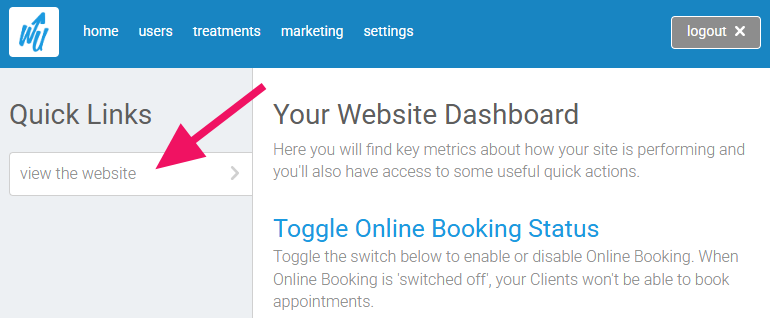
- Automatic confirmations and reminders: Helps prevent missed or late appointments and reduces confusion about times, locations, and what patients need to bring or wear.
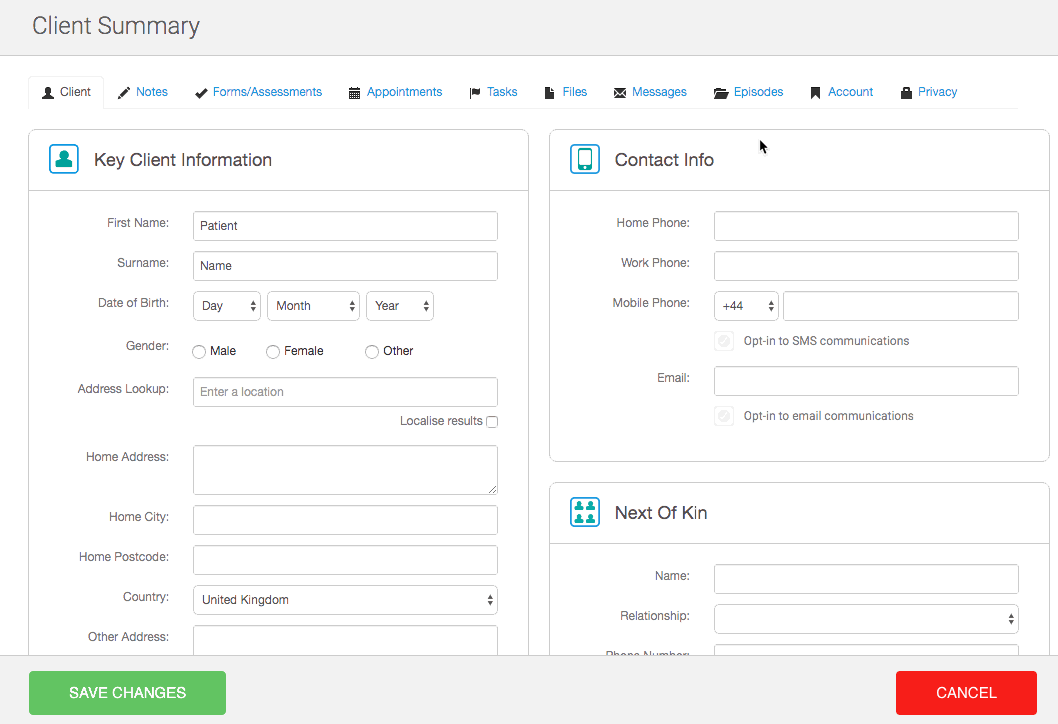
- Integrated payment processing: Keeps charges, receipts, and balances clear, which lowers the risk of complaints about costs, refunds, or unpaid bills.

- Digital smart forms and consent: Collects information and consent before appointments so patients know what to expect and clinicians have key details in advance.
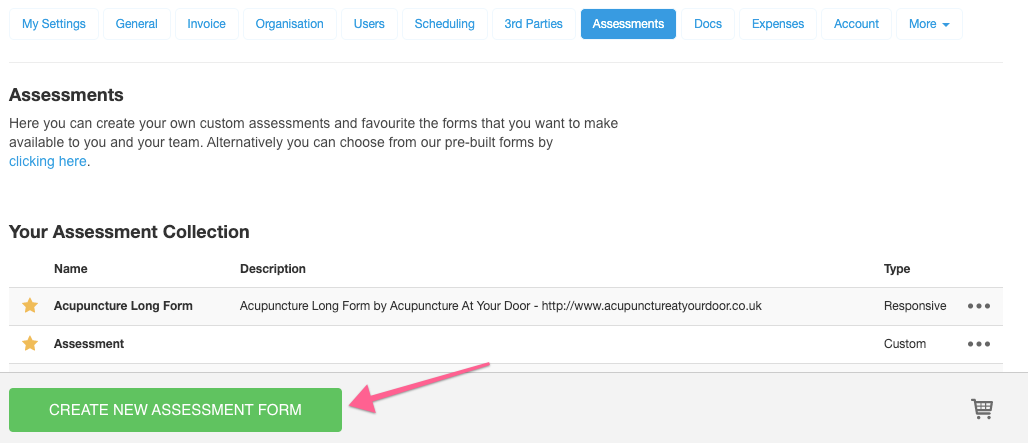
- Structured clinical notes and templates: Supports consistent documentation of treatment plans, discussions, and advice, which is essential if a complaint raises questions about what was agreed.

Insert video: How to set up notes templates in WriteUpp
- Centralised patient records and secure storage: Stores notes, forms, invoices, and messages together in a way that supports GDPR for private practice and good information governance, making it easier to respond to privacy or documentation concerns.
Used together, these features sit within WriteUpp’s clinic management software and help you remove many of the day-to-day friction points that lead to complaints, while giving you a clear view of each patient’s journey if a concern is raised.
Final thoughts
Patient complaints are rarely pleasant, but they are one of the clearest ways to see your clinic through your patients’ eyes.
With simple steps for responding, a straightforward structure for handling complaints, and tools like WriteUpp, you can handle concerns with more confidence and use them to gradually improve both the experience you offer and the quality of care you deliver.
Turn complaints into clinic improvements. Try WriteUpp’s smart tools for better feedback management and smoother patient interactions.

.png)

.png)
.png)



Join over 50,000 clinicians that we've helped using WriteUpp
Start my free trial